
Learn & Engage
Emmanuel Music is your place to discover and take a deep dive into some of the most transcendent and enduring music ever written. Whether you’re a first-time listener, a musician, or a scholar, Emmanuel Music offers meaningful opportunities to engage with the works of Bach and composers he inspired.

Ways to Engage

The Cantata Experience
"Every emotion is laid bare and dissected, and the painful paradoxes of being human are brought to vivid life."
If you're new to cantatas, start here.

The Bach Institute
Season-long programming dedicated to performing and discussing the music of Bach. Apply to our Bach Institute Winter Intensive, sign up for a Cantata Conversation, or join us for a Chorale Sing.

Bach for You
We believe in the power of connection and introspection through music. Join us for Musical Sanctuary or Breathe with Bach.
The Bach Institute
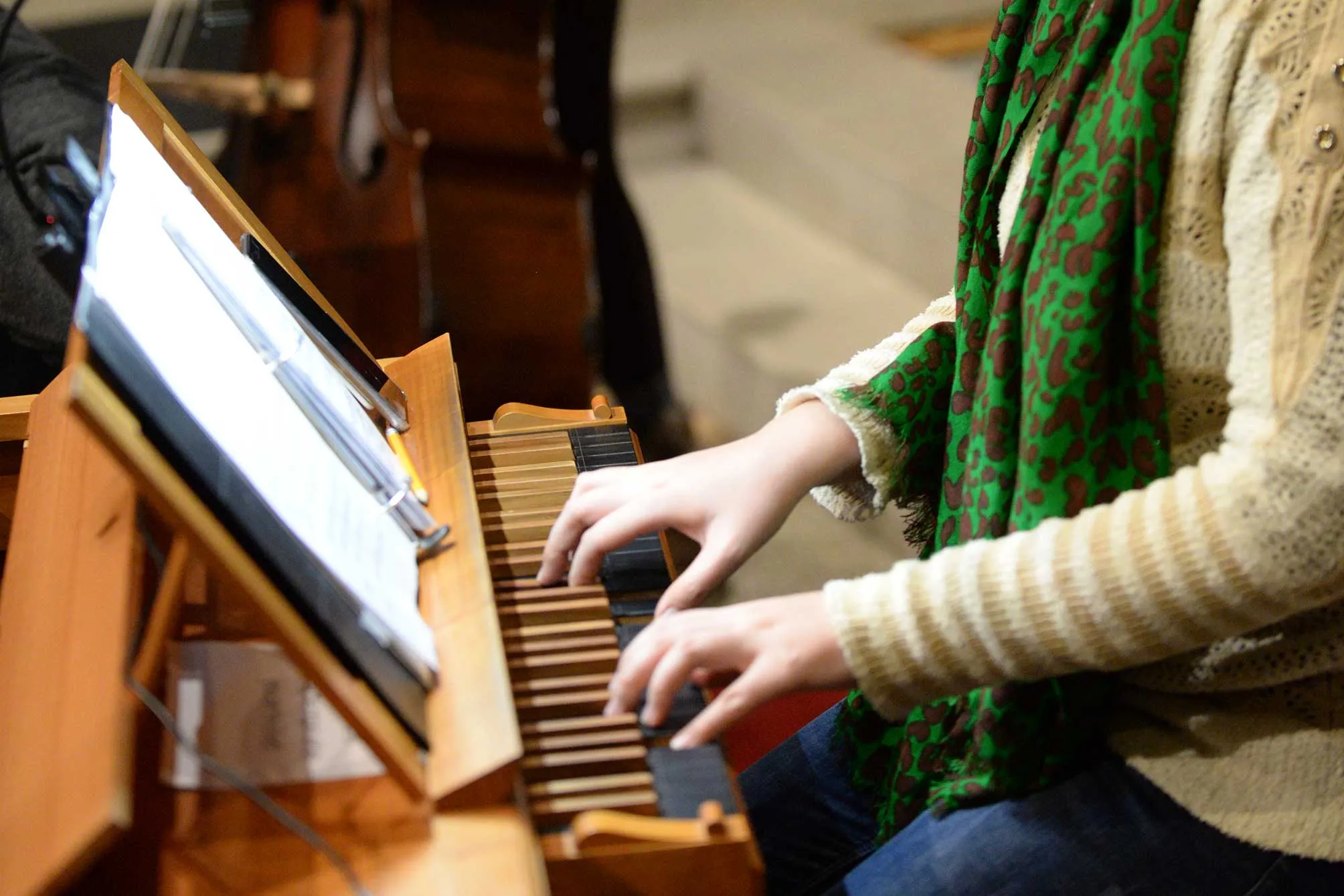
Bach For You


